

What Does a 2-10 Home Warranty Cover in NJ?
A 2-10 home warranty on a new New Jersey home covers three things on a set clock: defects in workmanship and materials for 1 year, defects in the plumbing, electrical and heating/cooling systems for 2 years, and major structural defects for 10 years, all counted from your closing date. It is not an appliance service plan, and it does not replace homeowners insurance. Here is what that means in practice for a new 2- or 3-family home in Newark.
What is a 2-10 home warranty on new construction?
In New Jersey, a builder warranty is not optional. Under the state's New Home Warranty program, builders of new homes must register with the NJ Department of Community Affairs and enroll each home in either the State Plan or a state-approved private warranty plan. The "2-10" name comes from the structure most of these plans share: the 2-year systems term and the 10-year structural term, with a 1-year workmanship term at the start.
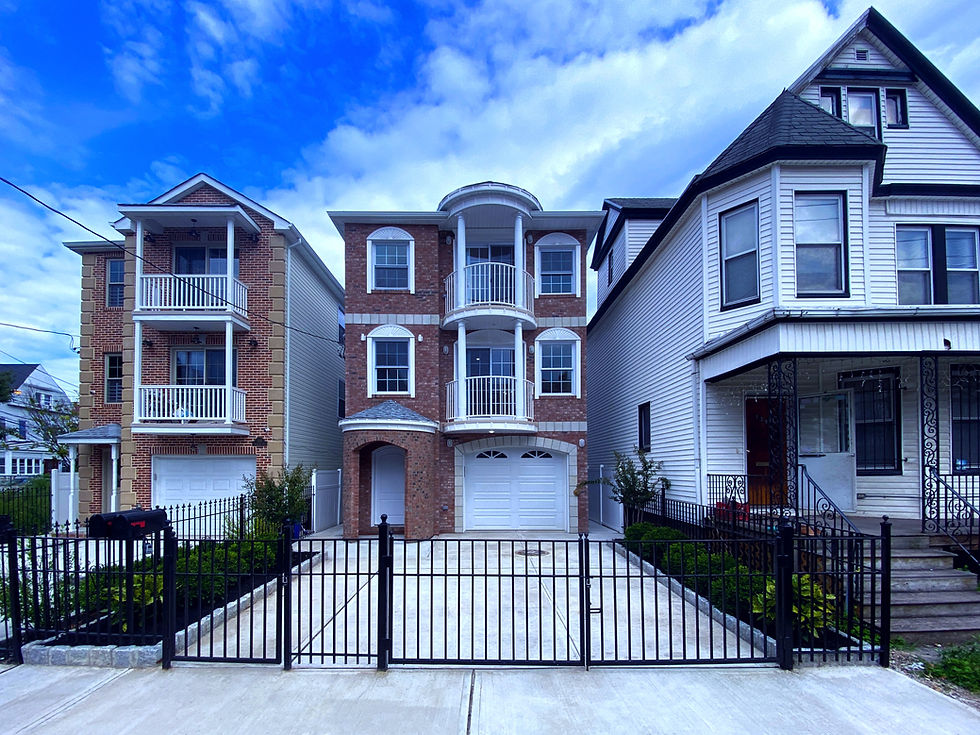
Every new 2-family and 3-family home from Manny Rosa Signature Homes comes with a 2-10 year home warranty, alongside 50+ standard upgrades and the Newark 5-year tax abatement.
What is covered in year 1, year 2 and years 3–10?
According to the NJ DCA consumer guide to the New Home Warranty, coverage steps down over time:
Year 1: workmanship and materials. Most of the home: concrete, roofing, siding, doors and windows, flooring, painting, cabinets and fixtures.
Years 1–2: major systems. Defects in the design and installation of the heating and cooling, plumbing and electrical systems.
Years 3–10: major structural defects only. Actual damage to load-bearing parts of the home, such as roof framing, joists, beams, columns, foundation and basement walls, and footings.
Private warranty companies describe the same shape. 2-10 Home Buyers Warranty, for example, lists 1 year for fit, finish and materials, 2 years for electrical, plumbing and mechanical distribution systems, and typically 10 years for load-bearing structural elements.
What does a 2-10 warranty not cover?
This is where buyers get surprised. The state warranty excludes:
Driveways, walkways, fences, unattached patios and landscaping
Outbuildings and swimming pools
Site work, except in the immediate area of the foundation
Private plans also commonly exclude household appliances that fail from normal use (those fall under the manufacturer's warranty), damage from floods, storms and other natural disasters (that is an insurance matter), and structures added after the home was built. Normal wear, settling cracks that do not affect the structure, and damage caused by owner neglect or tenant misuse are also outside a builder warranty. That is why a warranty works alongside, not instead of, the right insurance for a 2- or 3-family home in NJ.
How does the warranty work on a real Newark 2-family?
Take the Toms River model at 23 Oraton St, a new 2-family with 6 bedrooms, 5 baths and 4,356 sq ft. Say you buy at $830,000, live in one unit and rent the other for $2,600–$2,900 a month. Here is how common problems would be handled:
Month 7: a kitchen cabinet door in the rental unit will not close flush. Workmanship defect, inside year 1: covered.
Month 16: a hidden supply line behind the bathroom wall was installed badly and starts to leak. Plumbing installation defect, inside year 2: covered.
Month 30: the dishwasher stops working. Appliance failure: not a builder warranty item; go to the manufacturer's warranty.
Year 6: a beam deflects and causes real damage to the floor above. Major structural defect: covered.
Year 8: the front walkway cracks. Excluded.
The state also caps builder liability at the purchase price in the first arm's-length sale. On an $830,000 home, that ceiling is $830,000.
How do you file a warranty claim in New Jersey?
The biggest mistake is assuming that telling the builder counts. The NJ DCA is clear that notice to your builder is not notice to the warranty administrator. To protect a claim:
Keep the warranty booklet you receive at closing. It explains the filing steps for your plan.
Write to the builder about any defect you want fixed, and keep copies.
File a formal claim with the plan administrator before the coverage period ends. A claim for a year-1 item filed in month 13 will be denied.
Know the trade-off. For the same defect, you can pursue a warranty claim or a lawsuit, but not both.
A simple habit for landlords: walk both units at month 10 and month 22 and file anything you find before the 1-year and 2-year deadlines.
Does the warranty transfer if you sell?
Yes. The NJ DCA notes that the warranty covers the house, so the remaining term should pass to the next owner; the buyer contacts the warranty administrator to complete the transfer. Combined with the tax abatement, which also transfers to a buyer if you sell during the abatement period, a young new-construction home carries real value at resale. For a fuller side-by-side, see our guide to new construction vs. resale in New Jersey.
Frequently asked questions
Is a 2-10 home warranty the same as a home warranty I buy for appliances?
No. A builder warranty covers construction defects in workmanship, systems and structure. A home service plan is a separate, paid contract that covers repairs to appliances and systems from wear and tear.
Does every Manny Rosa home come with the 2-10 warranty?
Yes. The 2-10 year warranty comes standard with every new 2-family and 3-family home, along with 50+ standard upgrades.
Does the warranty cover the rental unit in a 2- or 3-family home?
The warranty covers the house, including each unit's workmanship, systems and structure. Damage caused by a tenant's misuse is not a construction defect, so plan for that with your lease and insurance.
Where can I read more about buying new in Newark?
Start with our Newark new home buying guide and the Newark new construction FAQ.
Want to see the finish quality behind the warranty? Tour our new 2-family homes in Newark from $830K or our new 3-family homes from $1.1M (limited availability). Call Jersey New Home Source at 862-343-9033 to schedule a visit.
This article is general information, not financial, legal or tax advice. Warranty terms vary by plan, so read the warranty booklet for your home. Data current as of October 2026.


Comments